Dance and Music
Mongolian music and dance are deeply rooted in the country’s nomadic heritage, spiritual beliefs, and connection to nature. These art forms have been passed down through generations and remain a vital expression of identity and tradition.
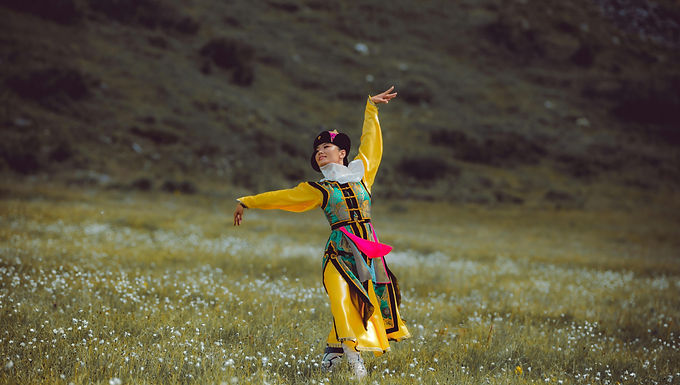
Traditional Music
Mongolian traditional music often reflects the vastness of the steppe, the rhythms of horseback riding, and the sounds of nature. Key styles include:
Throat Singing (Khoomei): A unique vocal technique where one singer produces multiple tones simultaneously. This ethereal sound imitates wind, water, and animal calls and is often practiced in western Mongolia.
Long Song (Urtiin Duu): Characterized by extended vocal tones and slow melodies, this poetic form is usually accompanied by the morin khuur and reflects the spirit of the open steppe.
Morin Khuur (Horsehead Fiddle): Considered the soul of Mongolian music, this two-stringed instrument has a carved horse’s head and produces a deep, expressive sound. It’s central to many musical traditions.
Traditional Dance
Mongolian dances are rich with symbolism and regional variety:
Biyelgee: A folk dance from western Mongolia performed mainly by men, featuring hand and upper-body movements while sitting or kneeling. It reflects daily life, rituals, and nomadic culture.
Tsam Dance: A sacred masked dance performed during religious ceremonies, originally rooted in Buddhism. Dancers wear elaborate costumes and masks representing deities and spirits.
National and Festival Dances: Performed during celebrations like Naadam, these include choreographed performances that showcase unity, pride, and heritage.
Modern Influence
While traditional forms remain cherished, modern Mongolian musicians are blending ancient sounds with contemporary genres like rock, pop, and electronic music. Bands such as The Hu have brought throat singing and traditional instruments to global stages.
Music and dance in Mongolia are more than art—they are a bridge between past and present, echoing the spirit of a resilient and proud culture.