Travel Destinations

Khustai Nuruu National Park
Khustai Nuruu National Park is one of the country’s most important protected areas and a symbol of successful conservation efforts. Established in 1993, the park was created with the primary goal of reintroducing and protecting the endangered Przewalski’s horse, or Takhi, which had become extinct in the wild by the mid-20th century. Through careful reintroduction programs and international cooperation, the Takhi now roam freely across the park’s vast, rugged terrain, making Khustai a globally recognized model for wildlife restoration.

Kazakh Nations
The Kazakh people who live in the vast Altai mountains in the western part of Mongolia, bring to life a rich tapestry of art, culture, and heritage that continues to captivate travelers from around the world. Central to Kazakh culture is the ancient tradition of eagle hunting, a practice that dates back thousands of years and holds deep significance within the Kazakh community.
Deep Blue Depression of the Great Lakes
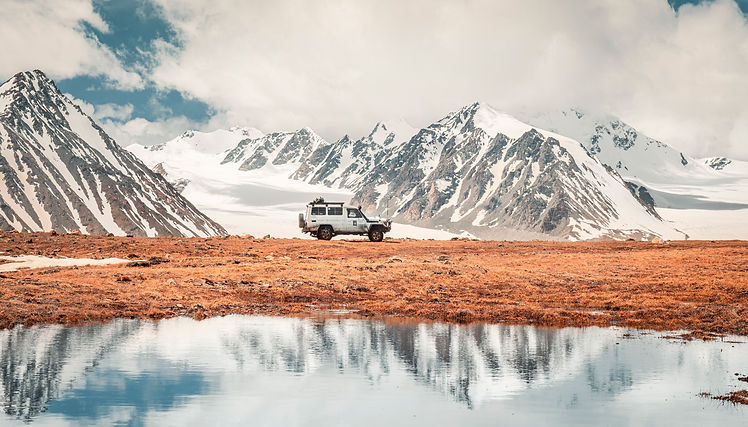
In the vast and rugged landscapes of Western Mongolia lies a hidden gem known as the Deep Blue Depression of the Great Lakes. This unique geological formation, tucked away amidst the towering peaks of the Altai Mountains, is a breathtaking sight to behold. The depression is characterized by a series of stunningly blue lakes, nestled within deep valleys and surrounded by rocky cliffs and lush vegetation.

Western Mongolia
Western Mongolia, with its vast and diverse landscapes, is a treasure trove of art, culture, and heritage that captivates travelers from around the world. This region is renowned for its rich nomadic heritage, where traditional ways of life have been preserved for centuries. The Kazakh people, known for their vibrant culture, are prominent in Western Mongolia, and their intricate handicrafts, colorful textiles, and captivating music and dance performances reflect the region's artistic vibrancy.

Gun Galuut Nature Reserve
Gun Galuut Nature Reserve is a haven of natural beauty and biodiversity, offering travelers a rare opportunity to experience the untamed wilderness of the Mongolian steppe. Spanning over 20,000 hectares, this protected area encompasses a diverse range of habitats, including vast grasslands, meandering rivers, and towering mountains, providing a sanctuary for a wide array of plant and animal species.
Khugshchuul Village
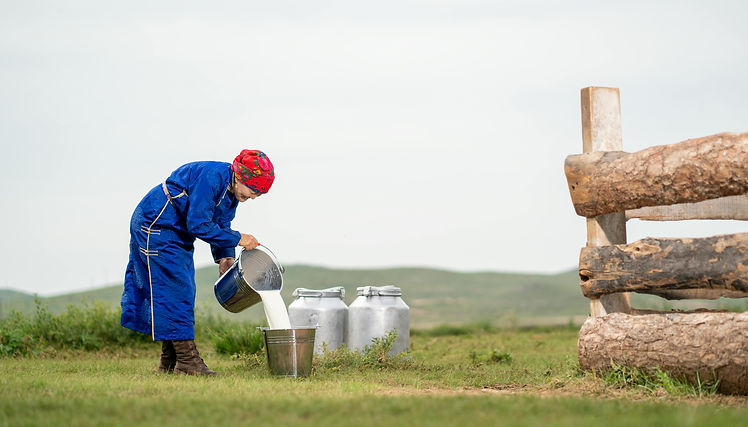
Khugshchuul Village offers travelers a unique opportunity to experience the timeless Buryat ethnic traditions and pastoral lifestyle. As visitors journey through the rolling hills and verdant valleys of the Khangai region, they are greeted by the sight of traditional gers (yurts) and Buryat houses dotting the landscape, the beautiful Kherlen river flows right next to village and the village surrounded by grazing livestock and expansive meadows.

Amarbayasgalant Monastery
Exploring Amarbayasgalant Monastery offers visitors a journey through centuries of history and tradition. Founded in the 18th century by the Manchu emperor, the monastery serves as a symbol of Mongolian Buddhist art and architecture, with its intricately carved wooden pillars, colorful frescoes, and ornate statues.

Uran Togoo Mountain
As a dormant volcano rising majestically from the surrounding steppe, Uran Togoo presents a striking silhouette against the expansive Mongolian sky. Its conical shape and rugged terrain make it an ideal destination for hiking enthusiasts and nature lovers eager to discover the region's geological wonders.

Tsaatan Tribe
The Tsaatan Tribe stands as a living testament to the enduring traditions and unique way of life of Mongolia's reindeer herders. What sets the Tsaatan Tribe apart is their deep connection to the land and their reliance on reindeer for survival. These semi-nomadic herders have roamed the taiga forests of the Mongolian wilderness for centuries, following ancient migratory routes in search of grazing grounds for their reindeer herds.

Khuvsgul Lake
Khuvsgul Lake, often referred to as the "Blue Pearl of Mongolia," is a breathtaking natural wonder that captivates travelers with its pristine beauty and serene tranquility. Located in the remote northern reaches of Mongolia, Khuvsgul Lake is the country's largest freshwater lake by volume and one of the deepest in Asia. Its crystal-clear waters, fed by numerous mountain streams and rivers, create a mesmerizing expanse of azure blue that stretches as far as the eye can see, reflecting the surrounding snow-capped peaks and lush forests.



Erdene Zuu Monastery
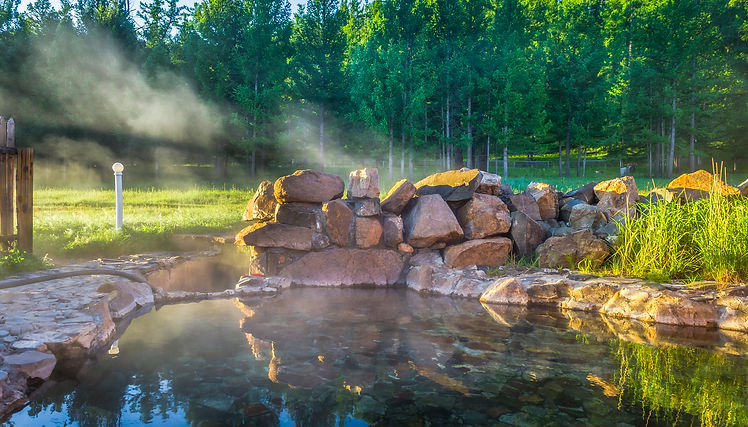
Located in Kharkhorin, the ancient capital of the Mongol Empire, Erdene Zuu is not only one of the oldest monasteries in Mongolia but also a UNESCO World Heritage Site. Founded in the 16th century, the monastery served as a center of Buddhist learning and worship, attracting scholars, monks, and pilgrims from across the region.


Orkhon Valley
Nestled amidst the picturesque Khangai Mountains in central Mongolia, the Orkhon Valley stands as a testament to the country's rich history and stunning natural beauty, beckoning travelers from around the globe to explore its wonders. Designated as a UNESCO World Heritage Site, this verdant valley is steeped in history, with remnants of ancient civilizations and nomadic traditions scattered throughout its breathtaking landscapes.

Khangai Region
The Khangai Mountains in central Mongolia offer a captivating blend of natural beauty, rich history, and cultural experiences, making it a must-visit destination for adventurous travelers. This mountain range, with its lush valleys, dense forests, and crystal-clear rivers, provides a striking contrast to the arid expanses of the Gobi Desert.

Gobi Desert
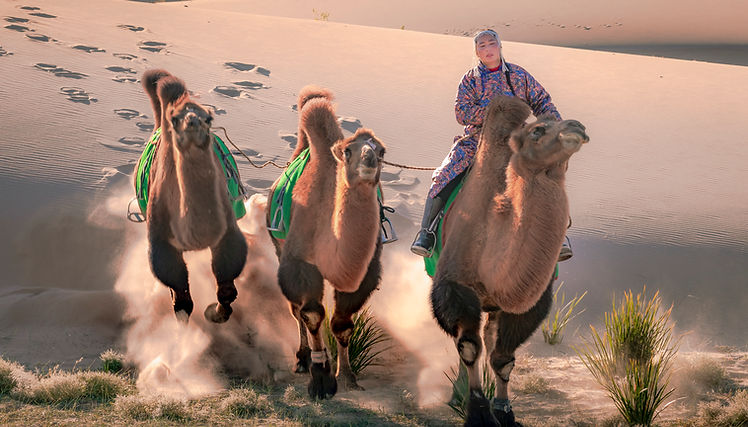
The Mongolian Gobi, one of the world's most expansive and diverse deserts, offers a captivating adventure for travelers seeking both natural beauty and cultural immersion. Stretching over 1,600 kilometers across southern Mongolia, the Gobi is famed for its dramatic landscapes, which include the towering Khongoriin Els sand dunes, also known as the "Singing Dunes," due to the eerie sounds they produce in the wind.


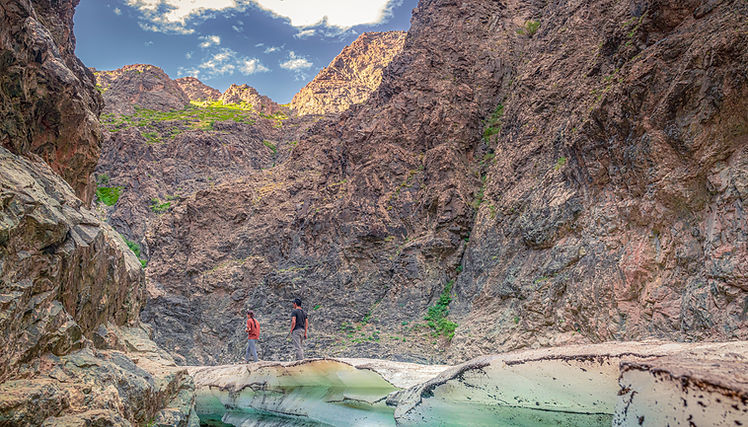

Baga Gazriin Chuluu- Small Land’s Rock Formation
Baga Gazriin Chuluu emerges as a hidden gem waiting to be discovered by intrepid travelers. This mystical destination is renowned for its towering granite rock formations, sculpted by centuries of wind and weather into otherworldly shapes that seem to defy gravity.

Chingis Khan Equestrian Complex
The Chingis Khan Equestrian Complex, situated amidst the sweeping Mongolian steppe, offers an immersive journey into the legendary history of Genghis Khan and the Mongolian nomadic way of life. This cultural attraction invites tourists to delve into the captivating tale of one of history's greatest conquerors while experiencing the thrill of horseback riding in the vast landscapes where Khan once roamed.


Terelj National Park
Nestled just a short drive from Ulaanbaatar, Terelj National Park stands as a breathtaking testament to Mongolia's raw natural beauty and nomadic heritage. A playground for outdoor enthusiasts and nature lovers alike, the park enchants visitors with its rugged landscapes of rolling hills, granite rock formations, and lush forests.